
Save Energy with Modern Upright Coolers: Energy-Efficient Cooling Solutions
Modern commercial refrigeration plays a critical role in supermarkets, retail stores, and food service businesses. Efficient cooling systems reduce operational costs and environmental impact. Upright coolers, in particular, have evolved significantly, offering energy-efficient cooling solutions that meet the demands of contemporary businesses. This article explores how modern upright coolers contribute to energy savings, the technology behind them, and practical recommendations for selecting and maintaining these appliances.
Understanding Energy-Efficient Cooling Solutions
Energy-efficient cooling solutions are designed to minimize electricity consumption while maintaining optimal temperature control. Upright coolers, commonly used for displaying beverages, dairy products, and perishable goods, have traditionally been energy-intensive. However, advances in technology have led to the development of models that consume significantly less power.
Key features of energy-efficient upright coolers include:
Improved insulation: High-quality insulation materials reduce heat transfer, maintaining internal temperatures with less energy.
LED lighting: LED lights generate less heat and consume less electricity compared to traditional lighting.
Advanced compressors: Modern compressors operate more efficiently, adjusting cooling output based on demand.
Smart controls: Digital thermostats and sensors optimize cooling cycles, preventing unnecessary energy use.
Low-emissivity glass doors: These doors reduce heat gain from external sources, improving overall efficiency.
Implementing these features results in lower electricity bills and a reduced carbon footprint. Businesses benefit from long-term savings and compliance with increasingly stringent energy regulations.

Benefits of Using Modern Upright Coolers
Modern upright coolers offer several advantages beyond energy savings. These benefits contribute to operational efficiency and product quality.
Consistent Temperature Control
Precise temperature regulation ensures products remain fresh and safe for consumption. This reduces spoilage and waste, which is critical for food service businesses.
Enhanced Product Visibility
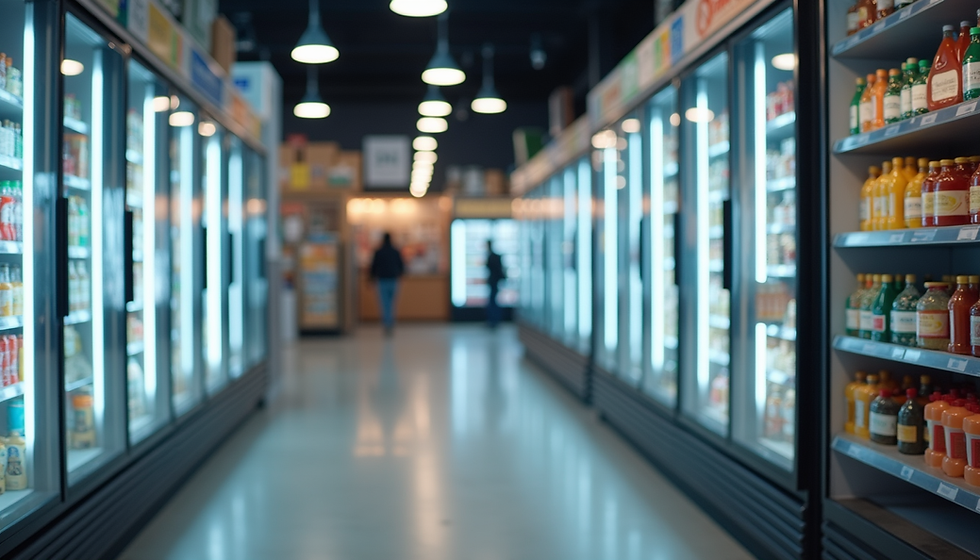
Upright coolers with clear glass doors and LED lighting improve product visibility, encouraging customer purchases without the need to open doors frequently, which can increase energy consumption.
Space Efficiency
Vertical design maximises floor space, allowing businesses to display more products in a smaller footprint.
Reduced Maintenance Costs
Energy-efficient models often incorporate durable components and self-diagnostic features, reducing downtime and repair expenses.
Compliance with Energy Standards
Many modern upright coolers meet or exceed energy efficiency standards set by regulatory bodies, helping businesses avoid penalties and qualify for incentives.
These benefits make modern upright coolers a practical investment for businesses aiming to optimise energy use and improve operational performance.
Which Type of Refrigerator Uses the Least Electricity?
When considering refrigeration options, it is important to identify which types consume the least electricity. Upright coolers, chest freezers, and reach-in refrigerators each have different energy profiles.
Chest Freezers: Generally, chest freezers are more energy-efficient than upright models because cold air does not escape as easily when the door is opened. However, they are less suitable for product display in retail environments.
Upright Coolers: Modern upright coolers with energy-saving features can approach the efficiency of chest freezers while offering better accessibility and visibility.
Reach-in Refrigerators: These are similar to upright coolers but often have solid doors, which can improve insulation but reduce product visibility.
Among these, the most energy-efficient upright coolers incorporate advanced insulation, LED lighting, and smart controls. Selecting models with Energy Star certification or equivalent standards ensures minimal electricity consumption.
Practical Recommendations for Selecting Upright Coolers
Choosing the right upright cooler involves evaluating several factors to ensure energy efficiency and operational suitability.
Assess Cooling Needs
Determine the volume and type of products to be stored.
Consider temperature requirements for different product categories.
Evaluate Energy Efficiency Ratings
Look for certifications such as Energy Star or equivalent.
Review manufacturer specifications for power consumption.
Consider Door Type and Insulation
Opt for low-emissivity glass doors to reduce heat gain.
Ensure the cooler has high-quality insulation materials.
Check Lighting and Controls
Confirm the use of LED lighting.
Verify the presence of digital thermostats and energy-saving modes.
Plan for Maintenance and Service
Choose models with accessible components for easy cleaning and repair.
Consider warranties and support services offered by manufacturers.
Implementing these recommendations will help businesses select upright coolers that align with their energy-saving goals and operational needs.

Maintenance Practices to Maximise Energy Savings
Proper maintenance is essential to sustain the energy efficiency of upright coolers. Neglecting routine care can lead to increased electricity consumption and equipment failure.
Regular Cleaning
Clean condenser coils monthly to prevent dust buildup, which impairs heat exchange.
Wipe door gaskets to maintain airtight seals.
Monitor Temperature Settings
Set thermostats to recommended temperatures for the stored products.
Avoid setting temperatures lower than necessary.
Inspect Door Seals
Replace damaged or worn gaskets promptly to prevent cold air leakage.
Schedule Professional Servicing
Arrange periodic inspections by qualified technicians.
Address refrigerant leaks and compressor issues immediately.
Minimise Door Openings
Train staff to open doors only when necessary.
Use models with self-closing doors to reduce cold air loss.
Adhering to these maintenance practices ensures that upright coolers operate at peak efficiency, reducing energy costs and extending equipment lifespan.
Future Trends in Upright Cooler Technology
The refrigeration industry continues to innovate, with emerging technologies promising further energy savings and improved performance.
Natural Refrigerants: Use of environmentally friendly refrigerants with low global warming potential.
IoT Integration: Smart coolers connected to cloud systems for real-time monitoring and predictive maintenance.
Variable Speed Compressors: Compressors that adjust speed dynamically to match cooling demand.
Solar-Powered Refrigeration: Integration with renewable energy sources to reduce grid dependency.
Businesses that adopt these technologies early can benefit from enhanced energy efficiency and operational advantages.
Final Thoughts on Energy-Efficient Upright Coolers
Modern upright coolers represent a significant advancement in commercial refrigeration. By incorporating energy-efficient cooling solutions, businesses can reduce electricity consumption, lower operating costs, and contribute to environmental sustainability. Selecting the right model, maintaining it properly, and staying informed about technological developments are essential steps to maximise these benefits.
For those seeking reliable and efficient refrigeration options, exploring energy saving upright coolers offers a practical path forward. These solutions align with the goals of reducing energy use while maintaining high standards of product preservation and customer satisfaction.


Comments